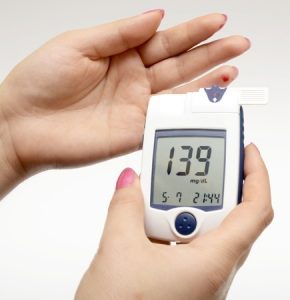
The diet sweeteners changed our society in the 1980s when aspartame started a sugar-free fad. Crafty marketers targeted people with diabetes, convincing them that you can eat and drink all the sugary foods you want if you switch to eating and drinking all sugar-free. There is no question that food can raise a diabetic’s blood glucose level, but what they didn’t tell you is the artificial sweeteners spike your blood sugar, too.
In 1994 according to the guidelines from the American Diabetes Association, many diabetics don’t have to feel guilty about eating a cookie or a piece of cake every once in a while. After aspartame came onto the market, their diabetic diet recommendations became more flexible, allowing you the substitute of sugar-free and occasional sugar containing foods for other forms of carbohydrates. They knew that the long-held belief that sugars were likely the single cause of high blood sugar levels was not supported by scientific evidence. There are other reasons for diabetes, such as trans-fats, various medications, and chemical food additives, like the artificial sugar substitutes.
They knew that research studies on both aspartame and sucralose showed diabetes in the lab rats.
To date, there is no cure for diabetes, but it can be treated effectively through a combination of diet, exercise, and the proper medication. While Type II diabetes can initially be controlled through diet and exercise alone, Type I diabetes requires insulin as well as diet and exercise modifications.
How To Eat Without Sugar-free

Here are some meal planning guidelines if you are diabetic:
- Twenty percent of your daily calories should come from protein;
- Divide the remaining 80% to 90% of your calories between carbohydrates and fat;
- If you have normal levels of cholesterol, triglycerides and other lipids, 30% or less of your total calories should come from fat, and less than 10% from saturated fat.
Move Your Body

Exercise is essential for everyone because it typically lowers blood glucose levels by increasing the need by your muscles for glucose. Try to make exercise part of your overall routine. By choosing activities you enjoy, you will be motivated to engage in them more frequently and make them part of your lifestyle.
Here are some exercise guidelines for a diabetic:
- Before mild to moderate exercise, eat a carb snack such as peanut butter, fruit or yogurt.
- Consume some form of complex sugar as you exercise. If you feel dizzy or confused, stop exercising and take some form of healthy sugar immediately.
- Try to work out with others and let them know that you have diabetes in case a problem occurs.
Diabetics have been told to avoid fruits, but when exercising, you do not want to grab a sugar-free snack – you want to nibble on a natural complex carb.
If You Love To Cook

If you are a diabetic with a sweet tooth who likes to cook, the diet sweeteners are marketed to you as your answer to eating whatever you want. But don’t waste your time and money baking with the chemical sweeteners when you can bake healthier meals using modified natural ingredients. And as a diabetic, focus on “trading off” your meals.
If you have diabetes or if you simply want to avoid diabetes, your nutrition goals should include eating low-fat, low-cholesterol foods and meals, minus the chemicals found in the various diabetic food products. Typically today, most of your favorite foods might not fit this mold. But don’t get frustrated – they can fit in with an easy adjustment.
Whether it’s a natural ingredient substitution or a different cooking technique, the result can taste better than you ever imagined without using chemical sweeteners. Best of all, you’ll feel really good knowing that you’re taking care of your diabetes while you’re enjoying food. Try these “chemical free” suggestions:
- TOSS THE YOLK – Whenever a recipe calls for two eggs, throw out one yolk and you’ll save 45 calories and 5 grams of fat. This works with casseroles, scrambled eggs, egg salad, and desserts.
- SLIM DOWN MEATS WITH BULGUR – Substitute bulgur for part of your ground beef dishes. The meat will come out fluffier and leaner. For every pound of beef, mix 1/2 cup soaked and drained bulgur. Bulgur is a form of cracked wheat in the grain aisle of most markets. Adding bulgur also adds fiber, which is very good for controlling your blood sugar.
- MARINATE TO ADD FLAVOR – Lean meats are less tender and much drier than fatty meats, but the fat must be avoided in the diabetic diet. So, marinating your meat not only tenderizes, but also adds flavor. Different marinades include Bragg’s®, broths, naturally squeezed citrus juices not from concentrate, vinegars, and herbs and spices.
- GRILL- Grilling intensifies flavors, concentrating your food’s natural flavors due to the high heat. Instead of sautéing your vegetables, try marinating and grilling them.
- “FRY” IN THE OVEN – Baking at high heat creates the same results as frying, but without as much fat. This works best with oven-fried potatoes opposed to French fries, homemade whole-wheat tortilla chips, and breaded chicken.

Baking
You don’t have to give up baking if you have diabetes. These natural baking tips are not only great for people of all ages with diabetes, but they are a healthy way to satisfy a child’s sweet-tooth with juvenile diabetes, for those with Adult Onset diabetes that is controlled exclusively by diet, and for people without diabetes.
All these tips remind you that diabetics can enjoy food without using the artificial sweeteners. Baking for children with diabetes using natural ingredients opposed to chemicals secures their long-term health and teaches them proper eating habits as they mature.
Try these natural solutions for baking:
- USE FRUIT PUREE INSTEAD OF BUTTER – Replace butter or shortening with an equal amount of fruit puree, like applesauce. You can replace up to half the butter with puree without noticing the difference. When making chocolate desserts, prune puree is the best. Soften prunes briefly in hot water, drain, puree with a mixer or food processor until smooth. Or use baby-food prunes.
- USE NATURAL LOW-FAT SUBSTITUTES – Many cake ingredients can be replaced with low-fat and non-fat equivalents with little change in taste or texture, such as:
-
- Replace whole milk with fat-free, low-fat, soy or rice milk.
- For regular sour cream, substitute buttermilk, low-fat or fat-free plain yogurt, or low-fat sour cream.
- Replace cream cheese with low-fat cream cheese.
- Flavored sugar adds extra taste to any recipe without adding any fat. To make flavored sugar, press a vanilla bean into a jar of raw sugar and let it stand for two weeks. (Note: check with your doctor first before using any form of sugar.)
- Another way to add flavor without fat is by adding citrus peel, adding generous amounts of cinnamon, cloves, and any other favorite baking spices.
- REPLACE CHOCOLATE WITH COCOA – When you want the taste of chocolate without the carbs from fat, use cocoa, which contains a very small amount of fat.
- For every ounce of melted unsweetened chocolate, substitute 3 tablespoons of cocoa powder dissolved in 2 tablespoons of water, mixed with 1 tablespoon of prune puree.
- When using cocoa, dissolve it first in warm water, which enhances the cocoa flavor, making it stronger.
- To replace semisweet chocolate with cocoa, add a little raw sugar to keep the sweetness in balance.
- COOKIES AND BARS
- Melt the butter. You can reduce the amount of butter in a recipe by 1/2 by melting the butter before adding it to the other ingredients. This lowers the amount of fat, and the butter “goes farther.”
- Use fruit in place of butter. Replace 1/2 cup of butter with an equal amount of applesauce or another fruit puree.
Nuts and Chocolate Chips

Cut back on nuts. Walnuts, almonds, and other nuts high in fat can go a long way if you simply reduce the amount by 1/2. Chopping the nuts also makes the flavor stronger while using a lesser amount. Replace some or all of the nuts in your recipes with toasted rolled oats.
Toasting nuts before adding them to a recipe gives them extra flavor. To toast, place nuts in a dry nonstick skillet over medium heat. Toast while shaking the skillet for 3 to 5 minutes, or until golden.
Go easy on the chocolate chips, which contain a good amount of fat and sugar. (Check with your doctor about chocolate chips.) Reduce the amount of chocolate chips to 1/2 of what the recipe calls for. Substitute miniature chips for the full-size chocolate chips. Replace some of the chocolate chips with dried apricots or raisins.
- PIES – Fight the fat in pies with phyllo (or filo), which is low in fat as long as you don’t slather on the butter. Phyllo is found in the freezer section of grocery stores, it resembles strudel dough, and is a great replacement for traditional pie crusts. Phyllo is fragile, nonetheless, and tends to break apart rather than flake, so here are some tips on how to handle phyllo:
- Defrost in the refrigerator overnight as opposed to thawing at room temperature – this makes it easier to separate the papery leaves.
- Keep the leaves well wrapped until you’re ready to use them. Unroll and cover the stack with plastic wrap under a damp kitchen towel. This prevents the dough from drying and cracking.
- Stack the phyllo 4 or 5 layers deep, and lightly flick melted butter on the stack with a pastry brush to provide moisture.
- To cut back on fat, add some cold pressed seed oil to the melted butter.

No matter what kind of illness, disease, or condition you might have, remember that you are not your disease. With the many healthy, nutritional alternatives available, think of yourself as a person with diabetes; you are not the diabetes.
May these natural tips help you restore control of diabetes – chemically-free!
_______________
If you want to learn more about healthy living and disease prevention, contact me at janethull.com. Remember that you are never alone when you are looking for good health!
I look forward to supporting you on your journey to alternative health and wellness.
_____________
Disclaimer: This article is for informational purposes only, and is educational in nature. The FDA may not have evaluated some of the statements. This article is not intended to diagnose, treat, cure, or prevent any disease. Please discuss with your own, qualified health care provider before adding supplements or making any changes to your dietary program.
Before taking vitamins, consult your doctor; pre-existing medical conditions or medications you are taking can affect how your body responds to multivitamins.
You have our permission to reprint this article if you attribute us with a live back-link to this article and the youtube links. http://www.janethull.com/

